Does Cardio Improve Blood Circulation to the Scalp and Support Hair Health?
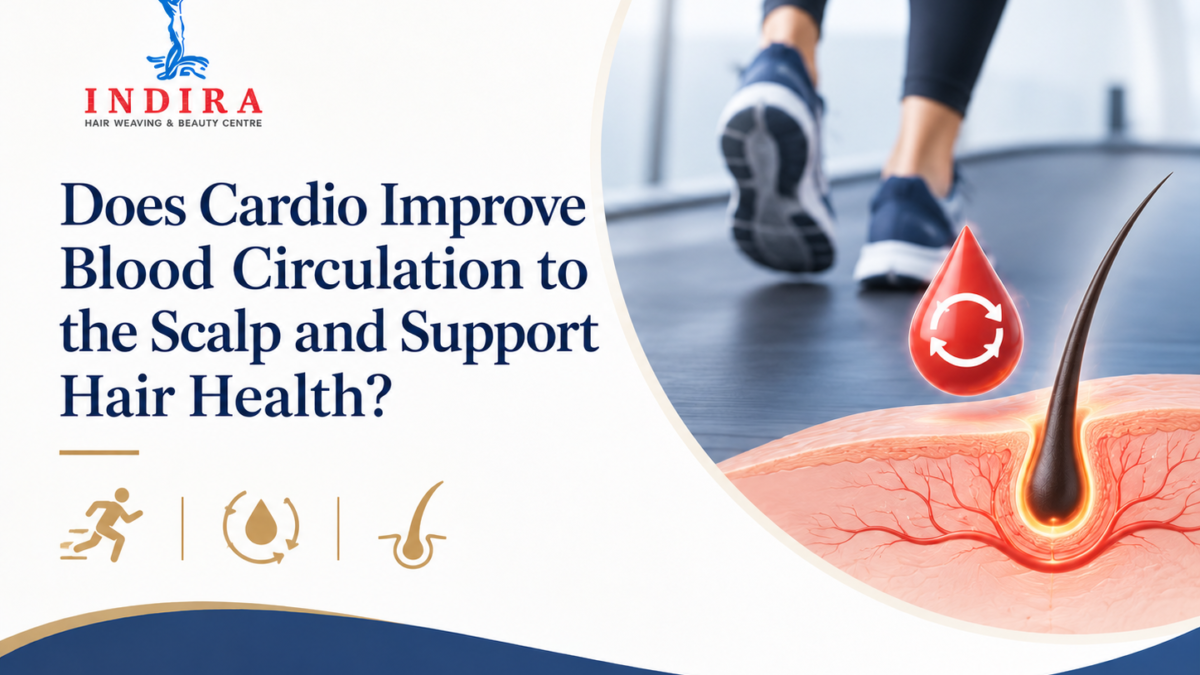
Engaging in sustained aerobic exercise elevates cardiac output, dilating peripheral micro-vessels to transport oxygen and vital nutrients directly to hair follicle matrices. This relationship between cardio and hair growth relies on enhanced capillary perfusion, down-regulated systemic cortisol levels, and cellular waste clearance around the dermal papilla. While cardiovascular conditioning cannot alter hereditary genetic sensitivity to dihydrotestosterone (DHT), consistent aerobic training establishes a favorable physiological foundation that extends the anagen growth cycle and preserves follicular vitality.
The human scalp possesses a dense network of micro-capillaries that supply active hair bulbs. Because hair follicle cells divide rapidly, they demand steady metabolic fuel. When cardiovascular stamina improves, systemic vascular resistance declines, allowing oxygen-rich blood to reach the upper cranial dermis more effectively.
For residents across Chandigarh, Panchkula, and Mohali who balance desk-bound routines with active workouts, aerobic movement supports daily wellness. Understanding how running, cycling, and swimming affect your scalp ensures that your exercise routine actively supports hair health.
Defining Cardio and Hair Growth Through Microvascular Perfusion
The connection between cardio and hair growth describes how aerobic exercise stimulates vasodilation, increases arterial oxygen saturation, and improves microvascular blood flow to the dermal papilla. These exercise-induced circulatory changes deliver essential micronutrients to cellular matrices while removing cellular waste, helping support natural follicular growth cycles.
When you perform sustained aerobic exercise, vascular endothelial cells release nitric oxide. This signaling molecule relaxes vascular smooth muscle, expanding peripheral arterioles throughout the body. As microvascular resistance drops, capillary beds surrounding the hair matrix expand, creating an optimal environment for hair retention and structural shaft strength.
Understanding Blood Circulation and Hair Growth at the Dermal Papilla
Analyzing blood circulation and hair growth requires examining the micro-anatomy of the hair root. Every biological follicle sits anchored within the subcutaneous fat layer, cradled by a fine basket of capillary loops known as the dermal papilla.
When cranial perfusion drops due to chronic stress, physical inactivity, or arterial stiffness, the dermal papilla receives fewer systemic nutrients. In response, follicles can enter the catagen (regression) phase prematurely.
Cardiovascular exercise counters this restriction by increasing cardiac stroke volume. Elevated systemic circulation delivers amino acids, iron, and trace minerals directly to the matrix cells, strengthening the structural keratin sheath and supporting resilient hair strands.
Physiological Cardio Benefits for Systemic and Scalp Wellness
The broader cardio benefits extend beyond cardiovascular endurance to positively influence neuroendocrine balance and tissue recovery. Regular aerobic exercise triggers chemical adaptations throughout the body that protect sensitive follicles:
- Cortisol Attenuation: Aerobic conditioning moderates resting cortisol production, helping shield hair roots from stress-induced telogen effluvium.
- Enhanced Insulin Sensitivity: Aerobic workouts help clear circulating blood glucose, reducing systemic vascular inflammation that can restrict peripheral scalp capillaries.
- Endorphin Secretion: Sustained physical training releases beta-endorphins, which counteract physical tension and prevent constriction of micro-vessels around the scalp.
- Lymphatic Drainage: Rhythmic muscle movement stimulates the lymphatic system, assisting in the clearance of inflammatory fluid around dermal tissues.
These combined physiological effects demonstrate that aerobic exercise serves as a practical, lifestyle-based habit for supporting long-term hair wellness.
Comparative Analysis of Aerobic Modalities and Follicular Impact
| Aerobic Activity | Intensity Level | Primary Circulatory Mechanism | Scalp Perfusion Rating | Weekly Recommendation |
| Outdoor Road Running | Moderate to High | High stroke volume; full-body capillary dilation | High; sustained arterial delivery | 3 sessions, 30–40 minutes |
| Stationary Cycling | Low to Moderate | Smooth cadence; continuous peripheral circulation | Moderate; consistent fluid dynamics | 3–4 sessions, 45 minutes |
| Swimming Laps | Moderate | Hydrostatic pressure; enhanced lung ventilation | High; balanced venous return | 2–3 sessions, 30 minutes |
| Rowing Ergometer | Moderate to High | Posterior kinetic chain engagement; thoracic expansion | High; active upper torso blood flow | 2 sessions, 25–35 minutes |
| Brisk Incline Walking | Low to Moderate | Low-impact zone-two aerobic conditioning | Moderate; gentle, steady perfusion | 4–5 sessions, 45 minutes |
Evaluating Scalp Circulation and Environmental Realities
Stimulating healthy scalp circulation requires balancing physical activity with careful post-exercise scalp hygiene. While cardiovascular workouts increase blood flow, perspiration leaves behind sodium, potassium, and lactic acid residues as it dries on the skin.
If dried sweat and sebum remain on the scalp, they can clog follicular openings and disrupt the epidermal barrier. In warm, humid environments, this accumulation provides an ideal breeding ground for Malassezia yeasts, increasing the risk of seborrheic dermatitis and scalp inflammation.
To protect the hair, rinse your scalp with lukewarm water promptly after intense exercise to clear away dried salts. Use a mild, sulphate-free cleanser two to three times weekly to keep the scalp clean without stripping natural protective lipids. Wearers of hair systems should gently pat the perimeter with a microfiber towel to prevent perspiration from softening bonding adhesives.
Training Environments and Using the GYM for Cardio Workouts
Choosing the right workout environment makes it easier to stay consistent with cardiovascular exercise. Many individuals prefer utilizing a modern GYM for Cardio routines because temperature-controlled indoor facilities protect against harsh summer heat and seasonal monsoon humidity.
Cardio machines such as treadmills, ellipticals, and stationary bikes let you maintain a steady target heart rate while minimizing joint strain. Furthermore, indoor fitness centers provide clean, monitored environments that minimize scalp exposure to outdoor dust and vehicle exhaust. When training indoors, drink plenty of water to support cellular hydration and maintain healthy blood volume.
Participating in Structured Group Cardio Classes
For individuals who find solo treadmill sessions repetitive, enrolling in dynamic Cardio classes provides motivation and structured training. Group workouts—such as spin sessions, step aerobics, and functional circuit training—combine rhythmic movement with high energy.
Group classes help keep your heart rate in target aerobic zones, encouraging regular vascular dilation and microcirculatory flow. They also provide a structured social setting that helps reduce mental stress. Just remember to tie long hair back with soft scrunchies rather than tight elastic bands to avoid mechanical traction along the hairline during dynamic movements.
Limitations of Cardiovascular Exercise in Genetic Pattern Baldness
While aerobic exercise supports overall hair quality and microcirculation, it cannot halt hereditary androgenetic alopecia on its own. Genetic hair thinning is driven by inherited sensitivity to dihydrotestosterone (DHT) rather than poor blood flow alone. Over time, DHT binds to androgen receptors in susceptible follicles, causing them to miniaturize regardless of cardiovascular fitness.
When progressive genetic thinning creates visible crown loss or receding temples, non-surgical hair replacement provides an immediate, reliable aesthetic solution. Modern human hair patches and hair systems restore full, natural cosmetic density without surgical incisions, painful donor harvesting, or recovery downtime.
At Indira Hair Weaving Centre, located in Sector 20D, Chandigarh, experienced specialists create custom non-surgical hair systems matched to your biological hair texture, density, and facial contours. Designed with breathable lace and skin membranes, these units allow you to run, swim, and work out with complete security and natural styling.
Frequently Asked Questions
1. Can cardio reverse genetic male pattern baldness completely?
No, cardiovascular workouts cannot alter inherited follicle sensitivity to dihydrotestosterone (DHT). While aerobic conditioning enhances microvascular nutrient delivery, it does not stop genetic miniaturization on its own.
2. How many minutes of cardio per week support optimal blood circulation?
Clinical wellness guidelines recommend 150 minutes of moderate aerobic exercise—such as brisk walking or cycling—spread over three to five sessions each week to maintain healthy vascular circulation.
3. Does heavy sweating during cardiovascular exercise cause hair loss?
Sweat itself does not cause hair loss, but letting dried perspiration and sebum accumulate on the scalp can irritate follicles and lead to flaking. Rinsing the scalp promptly after workouts keeps follicles clean and healthy.
4. Can overtraining and extreme cardio lead to hair thinning?
Yes, prolonged physical exhaustion without adequate recovery can trigger physiological stress, elevating cortisol levels and potentially causing temporary hair shedding known as telogen effluvium.
5. Should I wash my hair with shampoo after every single cardio workout?
Rinsing with plain cool water after every workout is usually sufficient to remove sweat salts. Limiting shampoo use to two or three times weekly prevents drying out natural protective oils.
Restore Full Hair Density at Indira Hair Weaving Centre
Looking for an immediate, natural-looking solution to thinning hair or advanced hairline recession? At Indira Hair Weaving Centre, we deliver advanced non-surgical hair replacement systems, custom-tailored human hair patches, and precision hair weaving suited to your active lifestyle.
Conveniently located in Sector 20D, Chandigarh, our clinic brings over a decade of hands-on expertise in designing natural hairlines with discretion and care. Our specialists evaluate your hair loss pattern, select matching 100% natural human hair, and ensure a comfortable, secure fitting without surgery, pain, or downtime. Visit Indira Hair Weaving Centre in Chandigarh today or book your confidential consultation to restore your hair and styling confidence!
Conclusion
Understanding the connection between cardio and hair growth highlights how aerobic exercise supports microvascular circulation, helps balance stress hormones, and encourages healthy cellular function. While cardiovascular conditioning enhances the physiological foundation for healthy hair, it works best alongside good post-workout hygiene, balanced nutrition, and adequate rest.
For individuals facing advanced genetic thinning, combining an active, healthy lifestyle with modern non-surgical hair systems offers an effective, reliable way to enjoy a full head of hair with lasting confidence.
