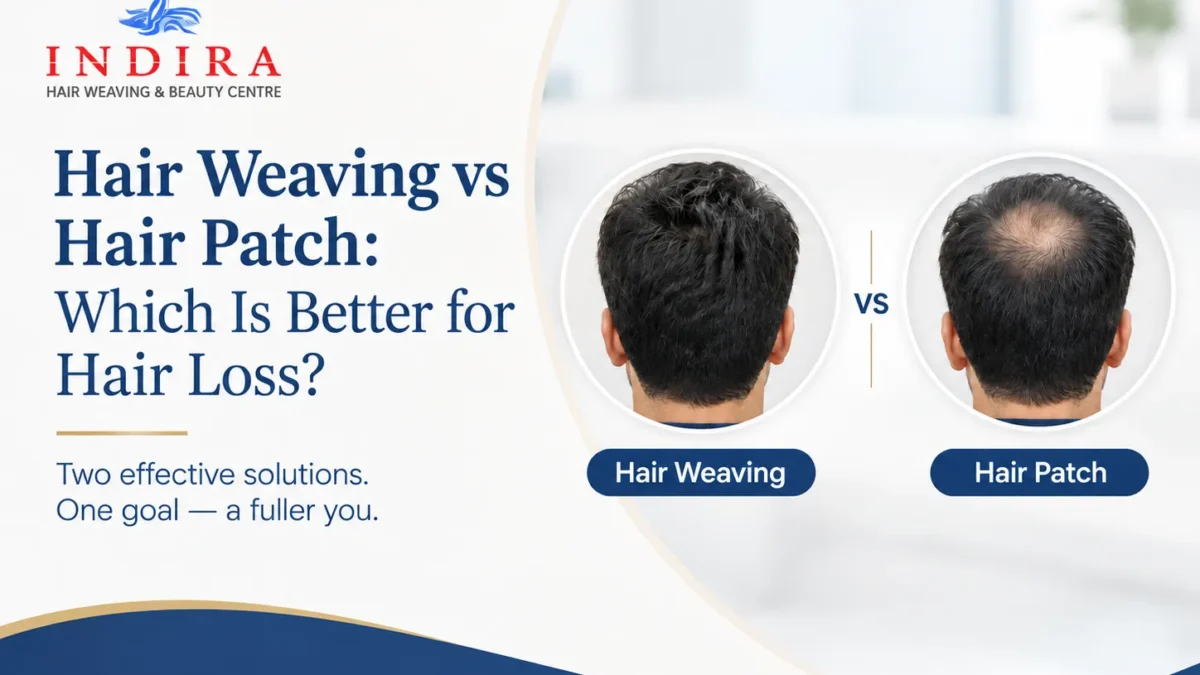
Hair Weaving vs Hair Patch: Which Is Better for Hair Loss?
Dealing with hair loss can feel overwhelming, but modern restoration methods offer instant, natural coverage without surgical intervention. If you want a fuller look without cuts or long recovery times, choosing the right method is essential. Comparing hair weaving vs hair patch helps you understand how each system restores density, secures to your scalp, and fits your daily routine. Both methods serve as popular non-surgical solutions, yet their application, base materials, and maintenance differ. Selecting the best hair replacement option depends on your pattern of baldness, existing hair density, and lifestyle preferences.
Exploring hair patch vs hair weaving reveals distinct approaches to restoring volume. Whether you have localized thinning at the crown or widespread hair loss, understanding these differences ensures comfortable, natural results.
Hair Weaving vs Hair Patch: Core Mechanisms and Differences
When addressing hair loss without surgery, choosing the right system depends entirely on your specific pattern of thinning. Evaluating hair weaving vs hair patch allows you to see how each procedure integrates natural hair strands with your scalp. While one technique weaves extensions onto existing roots to boost density, the other bonds a micro-thin, breathable base over bald zones. Both methods deliver instant, natural coverage without clinical downtime or surgical risks.
Understanding Hair Weaving for Non-Surgical Density Restoration
Hair weaving is an interlacing technique where tracks of real human hair are woven directly into your existing natural hair. Unlike surgical transplants, this approach creates immediate volume across thin areas without medical downtime.
During a professional weaving session, the stylist crafts subtle base braids or micro-tracks using your secure natural strands. The technician then stitches high-grade human hair wefts securely onto these anchor points. Because the new strands integrate directly with your existing hair, the system delivers a strong hold for active routines.
Weaving works exceptionally well for individuals who have decent hair density along the sides and back of the scalp. The method adds thick, layered volume across diffuse thinning zones. As your natural roots grow, the woven tracks loosen gently over four to six weeks. A quick salon visit easily tightens the tracks back against your scalp.
Understanding Hair Patch Systems for Targeted Balding Areas
A hair patch system, often called non-surgical hair replacement, provides targeted coverage for specific bald regions like a receding hairline or crown patch. A custom patch uses a micro-thin, breathable base designed to match the exact dimensions of the thinning zone.
In this procedure, natural human hair strands are individually hand-knotted into a fine lace or polymer base. The system is then secured to the scalp using specialized, skin-safe dermatological adhesives or cosmetic tapes. The outer perimeter blends invisibly with your surrounding natural hair.
The custom-designed front hairline creates a seamless look, making it nearly impossible for anyone to notice the hair system. Hair patch systems suit individuals facing male or female pattern baldness where a distinct bald spot has already formed. You can shower, wash, and style the hair patch exactly like natural hair.
Hair Weaving vs Hair Patch: Detailed Comparison
Evaluating hair weaving vs hair patch requires looking at attachment mechanisms, natural blending, maintenance frequency, and comfort.
- Attachment Mechanism: Hair weaving anchors tracks to your existing biological strands using specialized threads. A hair patch attaches directly to your scalp skin using breathable medical-grade bonding adhesive or tapes.
- Coverage Suitability: Hair weaving delivers overall volume for diffuse thinning where existing strands can support woven tracks. A hair patch precisely covers localized bald zones, such as an exposed crown or receding temples.
- Front Hairline Realism: A hair patch provides an undetectable, hand-drawn front hairline using sheer lace materials. Hair weaving adds mid-scalp and crown density behind your existing biological hairline.
- Maintenance Schedule: Woven tracks need re-tightening every 4 to 6 weeks as natural roots grow out. Hair patches require adhesive cleaning, scalp rejuvenation, and re-bonding every 3 to 4 weeks.
- Scalp Breathability: Hair weaving leaves your scalp surface completely open and bare. Modern hair patch bases feature micro-perforated lace designed for airflow and sweat management during humid weather.
Analyzing hair patch vs hair weaving highlights how both systems provide immediate transformation without surgical risks or long waiting periods.
Key Factors to Determine the Best Hair Replacement Option
Choosing the best hair replacement option depends on your personal aesthetic expectations, degree of hair thinning, and daily physical activity.
First, consider the extent of your thinning area. If you experience an empty, smooth bald spot on the crown or top of the head, a hair patch system offers seamless scalp coverage and an undetectable hairline. If you experience generalized thinning but maintain strong root support across your head, hair weaving builds significant density without shaving any area.
Second, consider your lifestyle and maintenance routine. Both non-surgical systems let you swim, exercise, and travel confidently. Hair weaving requires no adhesive management, making it straightforward for people who prefer traditional salon tightening. Hair patch systems provide versatile parted styling options, making them great for modern, brushed-back hairstyles.
At Indira Hair Weaving Centre in Chandigarh, experienced specialists examine your scalp texture, hair thickness, and shedding patterns to help identify your ideal solution. Personalized consultations eliminate guesswork and guarantee a comfortable, natural finish.
Professional Scalp Care and System Maintenance
Maintaining your hair restoration system ensures lasting beauty, soft texture, and scalp comfort. Cleanse your system regularly using gentle, sulfate-free shampoos and nourishing leave-in conditioners to keep the human hair strands supple and hydrated.
Avoid rough towel drying or excessive high-heat blow drying directly over the attachment tracks or adhesive base. Schedule your routine servicing appointments on time so your stylist can clean your scalp thoroughly, re-align the system, and keep the integration seamless.
Restore Your Hair and Confidence with Indira Hair Weaving Centre
Hair loss should never hold you back from living with complete confidence and personal style. At Indira Hair Weaving Centre, our team brings over a decade of hands-on expertise in painless, natural non-surgical hair restoration. Whether you need an undetectable custom hair patch or high-density hair weaving, we match your exact hair texture, density, and natural color.
Schedule your private consultation today and step out with a full, natural look in just one visit.
Conclusion
Selecting between hair weaving vs hair patch ultimately comes down to your personal pattern of hair loss, existing strand strength, and lifestyle routine. Hair weaving offers an effective way to rebuild thick, layered density across diffuse thinning without scalp adhesives, while custom hair patches deliver a seamless, undetectable front hairline for localized bald spots.
Both techniques stand out as the best hair replacement option for anyone seeking instant, painless transformation without surgical risks. Evaluating your scalp condition and consulting experienced specialists ensures a natural finish, restored density, and long-lasting personal confidence.
Frequently Asked Questions
Which method looks more natural between a hair patch and hair weaving?
A hair patch offers superior hairline realism for visible bald spots due to sheer lace base designs, while weaving blends seamlessly into existing dense hair.
Can you wash and style a hair patch like normal hair?
Yes, you can wash, dry, condition, and style premium natural hair patches with lightweight hair products just like your own natural hair.
How often does hair weaving need salon maintenance?
Hair weaving typically requires professional maintenance and track re-tightening every four to six weeks as your underlying natural hair grows out.
Is non-surgical hair replacement painful during application?
Non-surgical hair restoration is completely painless, non-invasive, and comfortable, requiring no incisions, injections, scalpels, or surgical downtime.
Can sweat or workout routines loosen a bonded hair system?
High-grade, skin-friendly medical adhesives resist sweat and humidity, allowing you to exercise, commute, and shower without system loosening.
